

Sámi shamanism: a guide to the spiritual traditions of the Far North
The noaidi, the drum, the joik and the sacred places of Sápmi — and how to approach this living wisdom with respect.
Long before the borders of Norway, Sweden, Finland and Russia were drawn, the Sámi lived across the vast lands of the Far North, which they call Sápmi. Reindeer herders, fishers and hunters, they developed one of the oldest spiritual traditions of Europe: a deep relationship with the land, the animals, the ancestors and the invisible world. Here is an introduction to Sámi shamanism, and to the ways travellers can encounter it today.
Who are the Sámi?
The Sámi are the indigenous people of northern Scandinavia, Finland and the Kola Peninsula in Russia. Their homeland, Sápmi, stretches from the forests of central Sweden and Norway to the Arctic coast. Traditionally, many Sámi followed the seasonal migrations of the reindeer, and reindeer herding remains a cornerstone of Sámi identity and culture.
The Sámi have their own languages, their own flag — the red, blue, green and yellow circle you may see flying in the North — and their own national day, celebrated on 6 February in memory of the first Sámi congress, held in Trondheim in 1917.
A worldview rooted in nature
Traditional Sámi spirituality sees the world as alive and inhabited. Mountains, lakes, rocks, the sun and the wind all have their spirits, and humans are only one part of a great web of relationships. The dead are not separated from the living: the ancestors remain present, and maintaining a dialogue with them was essential to the balance of the community.
Among the many beings honoured in the old tradition were Beaivi, the sun, mother of humans; Horagalles, the thunder; the fertility goddesses Maderakka and her daughters; and the spirits of the forest and of the animals, who had to be respected for the hunt and the herd to prosper.
The noaidi: the one who travels between worlds
At the heart of this tradition stood the noaidi, the Sámi shaman. The noaidi was a mediator between the community and the other worlds: through trance, he or she could journey to the realm of the spirits and of the dead to seek healing for the sick, guidance for the herd, or the return of a lost soul. The noaidi also read the signs of nature, led offerings and accompanied the important passages of life.
The drum and the joik
The most powerful tool of the noaidi was the drum. Its skin, made from reindeer hide, was painted with symbols representing the worlds, the gods, the sun, the animals and the people. The rhythm of the drum carried the noaidi into trance, and the drum was also used for divination: a small pointer placed on the skin moved as the drum was struck, and its path across the symbols was read as an answer.
A joik does not describe a person, an animal or a place: it is them.
The other great expression of Sámi spirituality is the joik, a traditional chant unlike any other. A joik does not describe a person, an animal or a place: it is them. One joiks a friend, a mountain, a wolf or a river, as a way of making them present. The joik is still very much alive today, from family gatherings to contemporary music festivals.
Sacred places: the sieidi
Across Sápmi, certain places carry a special power. These are the sieidi: unusual rocks, cliffs, springs or mountain tops where offerings were made to the spirits of the land for protection and good fortune. Each family or community had its own sacred places, and some are still visited and respected today. If you come across one in the wilderness, approach it quietly and leave it as you found it.
A tradition that survived
From the 17th century onwards, Christian missions and state authorities sought to eradicate Sámi religion. Noaidi were persecuted, and many drums were confiscated or burned; only a small number survive today, many of them in museums. For generations, joik and the old beliefs were discouraged or hidden.
Yet the tradition never fully disappeared. Today, Sámi communities are reclaiming their heritage: drums are made and played again, joik is celebrated, and some knowledge-keepers share elements of their spirituality, on their own terms, with those who come with respect. This is a living culture, not a folklore show.
How to approach Sámi spirituality with respect
Where to experience Sámi culture
Several moments of the year are particularly rich for meeting Sámi culture: the celebrations of the Sámi National Day on 6 February, the historic Jokkmokk winter market in Swedish Lapland in early February, and the Riddu Riđđu festival in northern Norway in July, which brings together indigenous peoples from around the world.
Meet the North with us
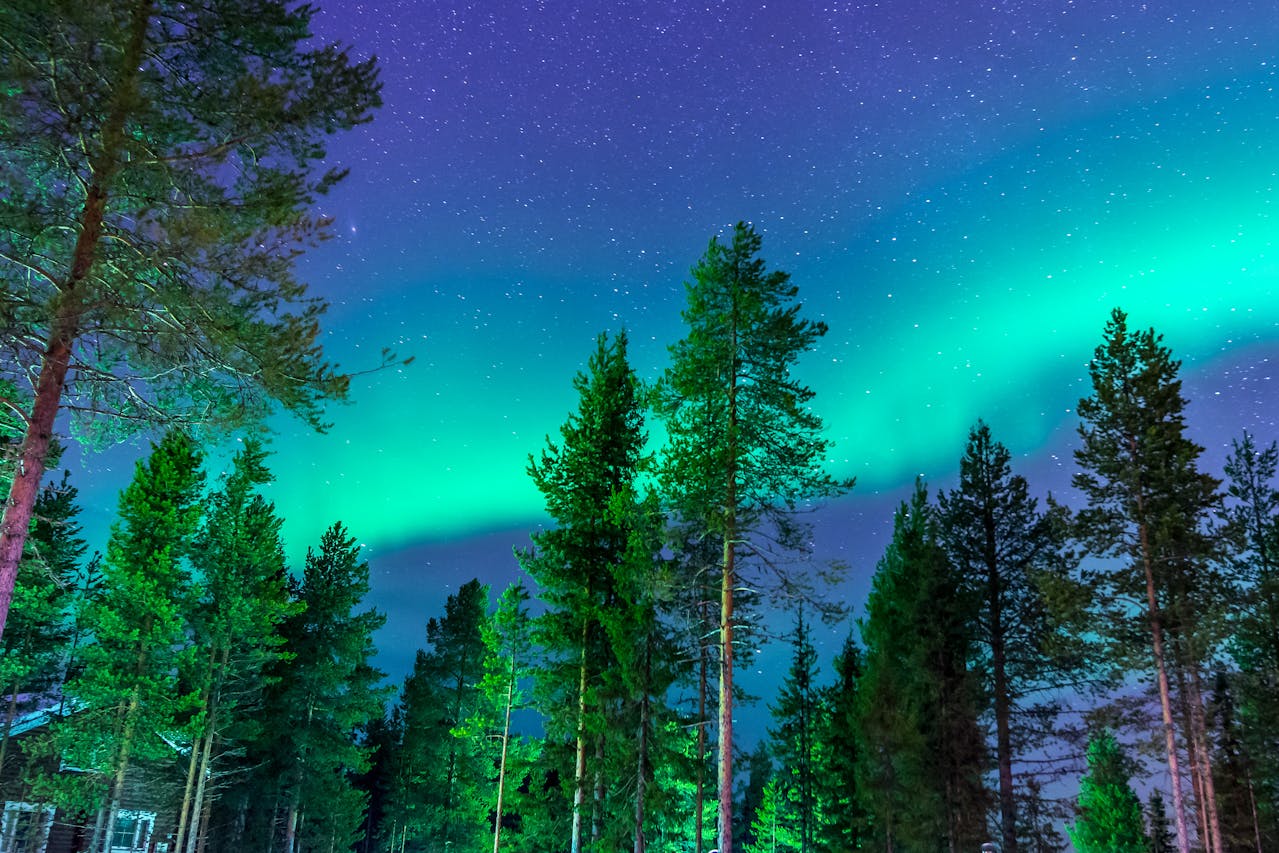
Our Nordic Energies journeys take you to Swedish Lapland, the forests of Sweden and the Norwegian Arctic, in small groups and with experienced guides: New Year ceremonies in Lapland, Northern Lights and Sámi encounters with Gunn-Tove Minde in February, or the Midnight Sun close to the Riddu Riđđu festival in July.
Frequently asked questions
What is a noaidi?
A noaidi is a Sámi shaman: a mediator between the community and the world of the spirits and the dead, who used the drum and trance to heal, guide and protect.
What is a joik?
A joik is a traditional Sámi chant. Rather than describing someone or something, a joik evokes and makes present a person, an animal or a place.
Is Sámi shamanism still practised today?
The old religion was severely repressed from the 17th century, but the tradition survived in many forms. Today, drums, joik and spiritual knowledge are being revived, and some Sámi knowledge-keepers share elements of their culture with respectful visitors.
When is the Sámi National Day?
The Sámi National Day is celebrated every year on 6 February, the anniversary of the first Sámi congress, held in Trondheim, Norway, in 1917.
Can I take part in a Sámi ceremony?
Yes, when it is offered by Sámi knowledge-keepers who choose to share it. Our Nordic journeys include encounters and ceremonies with Sámi guides, always in respect for their culture.
Read also our guide to Tsagaan Sar, the Mongolian Lunar New Year, and explore all our shamanic journeys.